No, I will not play these games. But I will sure fiddle with them to no end.
You know, most of the "real programmers" started their career back in 80s and 90s not because of a high-paying salary or office benefits such as coffee machines and bean bags. They started by hacking together their computer and then moving on to hacking their games (because there were none). They were driven by passion.
I didn't get to experience that, I got my own PC in 2006 when I was still a kid, but the passion and fascination was there. Fiddling with MS Paint, changing wallpapers and screensavers — it felt like the world of infinite possibilities.
But the turning point for me really was computer games, or more specifically — computer game modifications (mods). Back in the times modding was almost a separate sub-culture, it was a philosophy. In fact, games like Doom and later Quake thrived because of this. Quake in particular laid the groundworks for a whole new paradigm that finds its resonance to the present day in games like Half-Life 2 and other Valve titles. But this is a broader topic for another day.
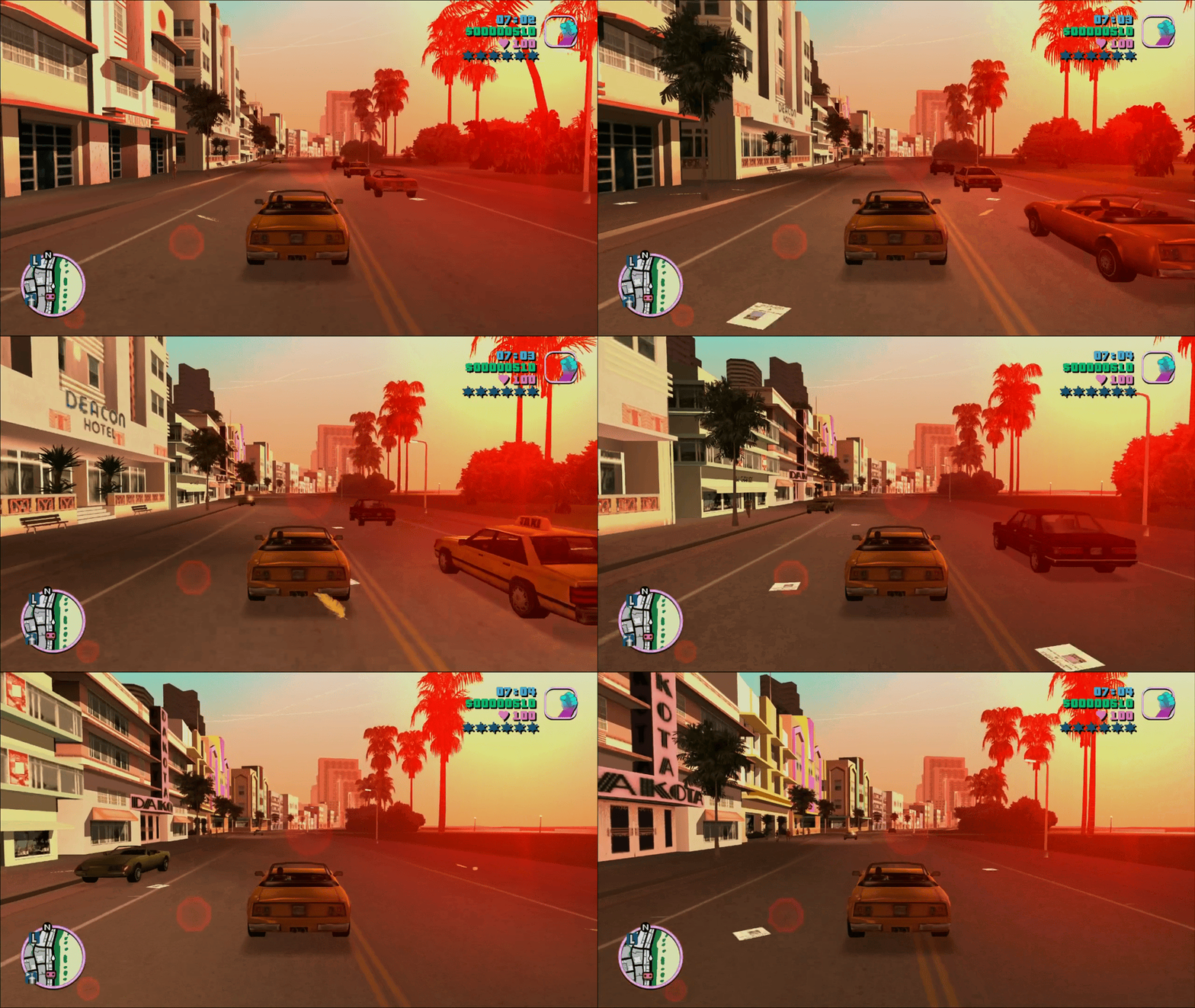
Some other games weren't so open to modifications, the developers didn't openly provide the tools to modify them. One of such games was the Grand Theft Auto series of games: GTA III, GTA Vice City and later San Andreas. And that's literally how I started my journey as a "programmer".
As a kid I was lucky enough to stumble upon one from those pirated game flea markets, since—you know—back in those times that was a normal part of any computer user. Most of the people couldn't really get games or software any other way in CIS countries.
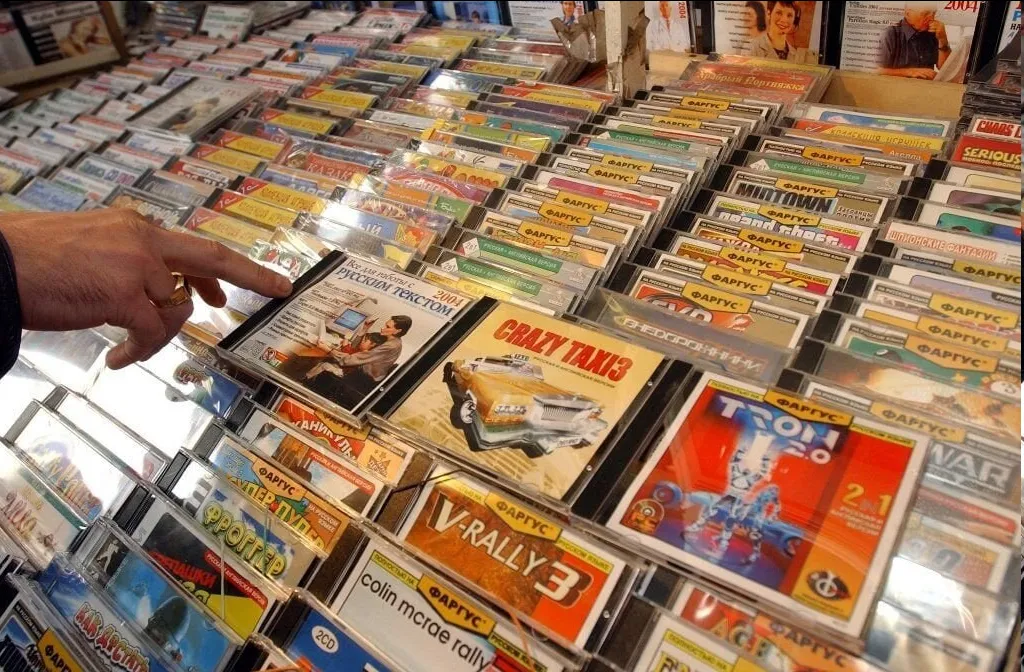
You might think this is wild and terrible, but in fact this might have caused the opposite effect. Many people started experimenting with ways to bypass piracy protection and in turn developing tools for modifying the games themselves. There were ad-hoc editions of the same game: thematic collections of modifications, compiled by people who sold their pirated version. It was a way to distinguish themselves from the others.
Long story short, that's how I got hold of a CD with modding tools for Grand Theft Auto: Vice City. With these you could change models, textures, sounds however you wanted. You could even write your game logic, because by that time people have reverse-engineered these games and created their own tools to extract and repackage game resources.
So, picture this: you've got all of the time in the world, your favorite computer game and all of the tools to change it however you like. An offer that is very difficult to refuse. You just have to use your imagination and perseverance.
With time, I have moved onto other games, but the urge for creativity and experimentation has stayed the same. Actually, I was more interesting in tinkering with the games rather than playing them. It was like there were two modes: either a user or a creator, but you couldn't be both at the same time.
Sometimes I start getting a recurring though about playing some game I used to play, but it almost always ends up with me tinkering with it instead of playing it.
There is a running joke in The Elder Scrolls community: how the real experience of Bethesda games is not playing them, but fixing them and then modding them to perfection. That is experience in itself, like building a miniature railroad model.
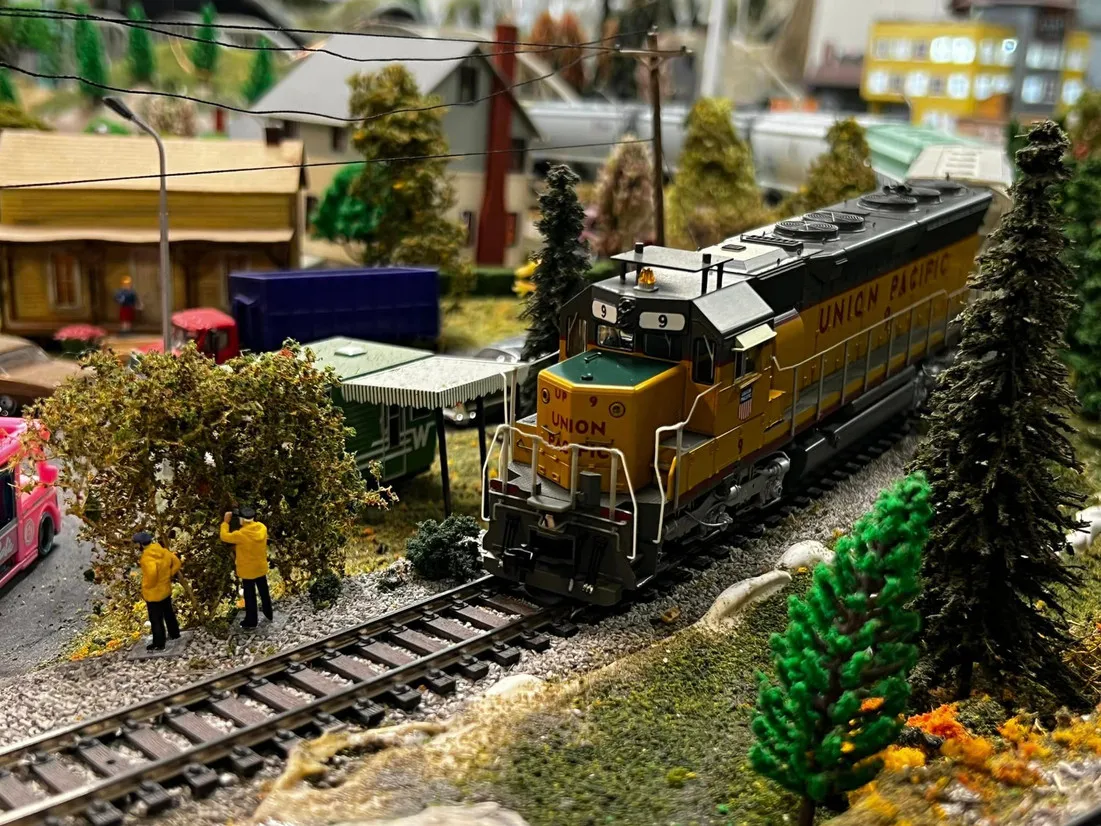
The whole point is the process, not the outcome. This got me thinking... maybe this is much more closer towards art rather than just passive leisure.
I know for sure that I got much more enjoyment from searching for proper mods and battling with compatibility issues of Grand Theft Auto Vice City than I would ever get from its story.
P.S. I spent more time writing this post than playing, so I guess it all checks out.